REC · beta, recruiting crews now
Every seat.Every stroke.Measured.
RowTech puts a force sensor on the rigger of every seat in the boat. Each node records the force curve of every stroke, shows it live on the seat, and hands the whole session to the coach when the boat comes in.
For coaches, clubs and programs. Applying takes two minutes and commits you to nothing.
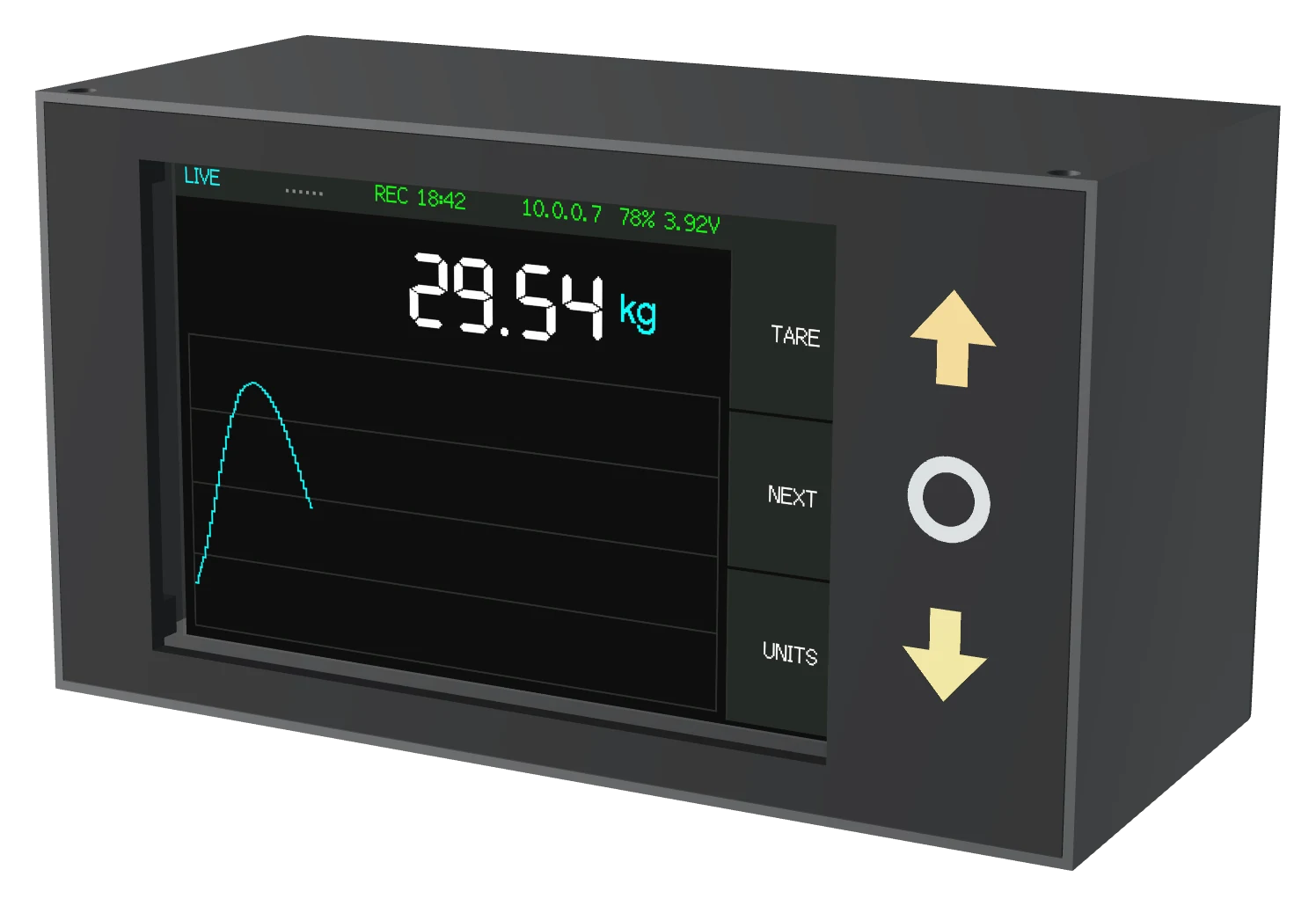
Coming with the RowTech cox box
See who’s early. See who’s carrying the boat.
A rate meter gives you the boat’s rhythm. A node on every seat shows you each rower inside it: whose catch lands late, who does the work through the middle of the drive, whether stroke side and bow side are pulling evenly.
Our cox box keeps every seat on one clock, to within 5 ms across an eight, so catch timing across the whole crew is something you can finally measure. We’re building it with our beta crews.
Fit it. Row. Review.
No laptop in the launch, no app, no pairing.
1
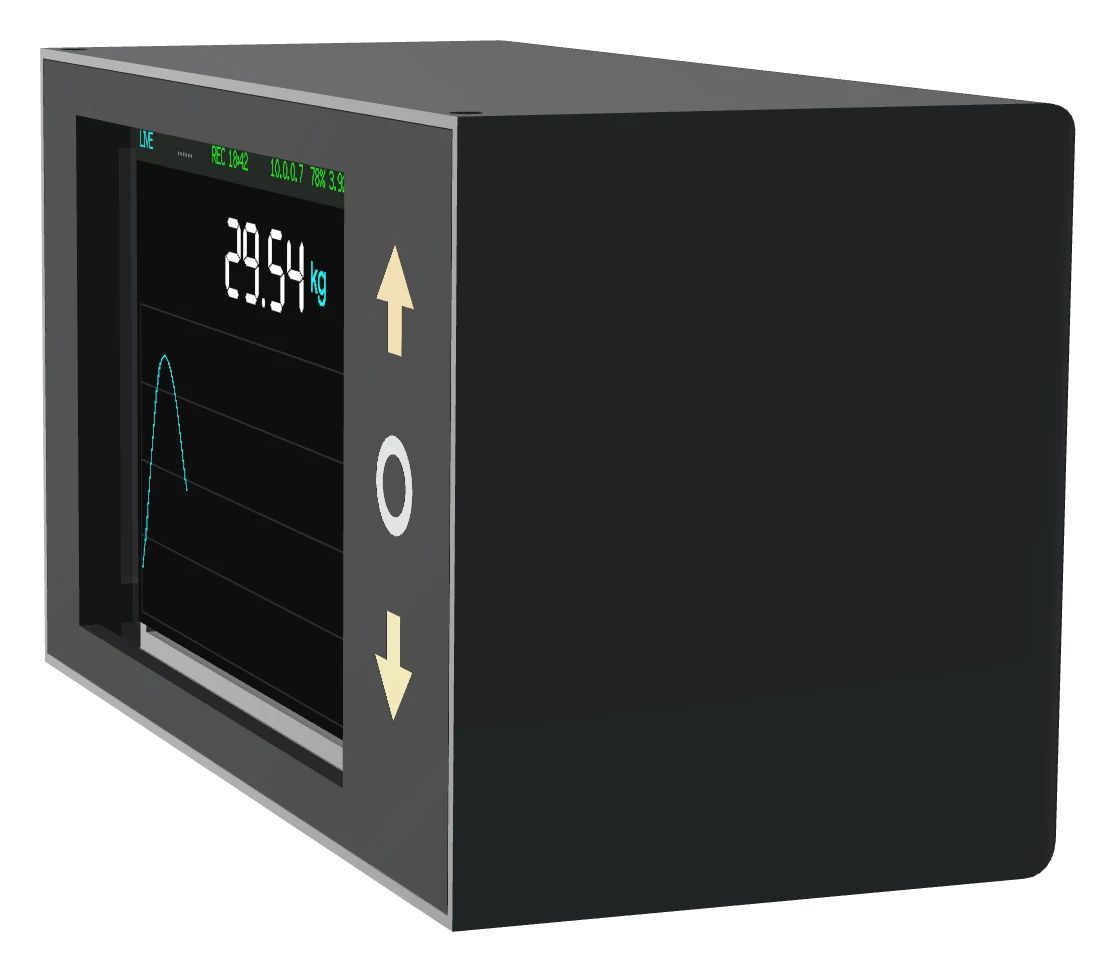
Fit a node to each seat
The load cell mounts on the rigger backstay and cables to the node beside it. One node for each seat you want to measure, each on its own battery.
2
Row
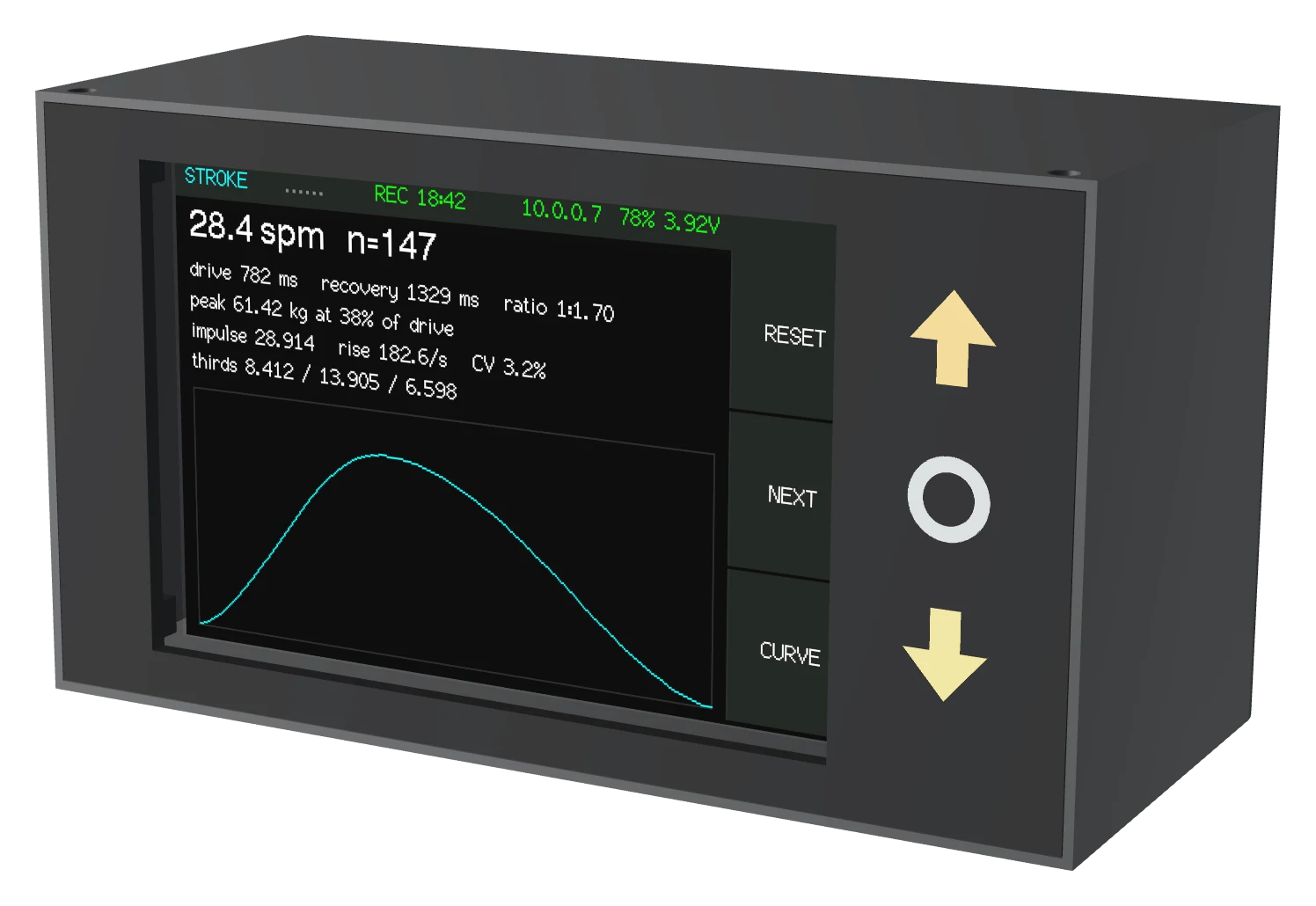
Each node finds every catch and release by itself, shows live force on its screen, and starts recording on the first stroke. Nobody has to press record.
- Session S0023147 strokes · 18:42
- strokes.csvEvery stroke's numbers
- curves.binEvery force curve
- events.csvWhat happened, and when
- meta.jsonBoat, seat and settings
3
Review
Back at the dock, join the node’s own WiFi from a phone or laptop and download the session: every stroke, every force curve, ready to go through with the crew.
One stroke, taken apart.
Every stroke is cut out of the signal and measured on the node itself, from 80 readings a second. Pick a measure to see where it comes from.
Catch ≈3 ms
The node marks the catch where force crosses 15% of the rower's recent peak (9.2 kg here) and interpolates between samples. Samples arrive every 12.5 ms; the catch lands to within about 3 ms. That precision is what makes crew timing possible.
Example data.
Three buttons. Nothing to set up afloat.
The buttons sit down the right edge. The middle one always means NEXT, and holding it always brings you back to LIVE, so nobody gets lost mid-piece.
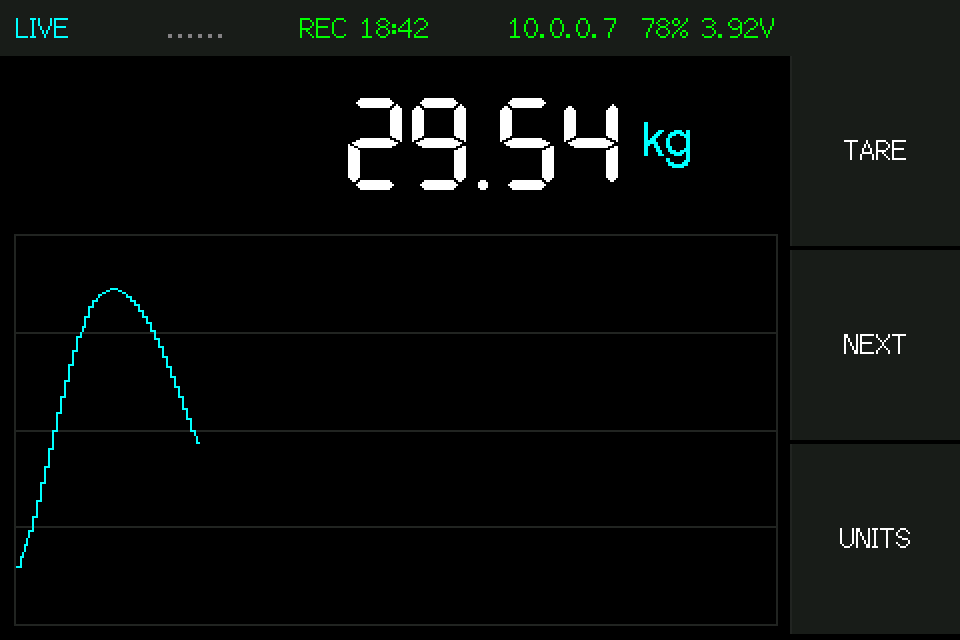
Force, as it happens
A big-digit readout over a graph of the stroke you're taking. Every catch wipes it and starts the next, so you only ever see the stroke in hand.
- TARE
- Zero the cell. Hold to reset peaks.
- NEXT
- Next screen. Hold to come back to LIVE.
- UNITS
- Cycle g, kg, N and lbf. Hold to clear an overload.
Now in development
A cox box that hears every seat.
We’re building our own cox box. It does the job every cox relies on, and it’s the hub every seat node reports to.
- The cox’s voice
- A built-in amplifier carries the cox’s calls down the boat, like the unit you use today.
- One clock for the crew
- Keeps all eight seats in time with each other to within 5 ms, which is what makes crew timing work.
- GPS on board
- Stamps every session with GPS time, so outings line up across boats and days.
- Uploads ashore
- Back on land, it sends the whole crew’s session to the team dashboard over WiFi.
Made for the boathouse, not the lab.
- Its own network
- Each node runs its own WiFi. Join it from a phone, open a browser, and everything is there. No app, no router, no account.
- Switch off without worry
- Sessions are saved as they’re recorded, so turning the boat off at the dock never costs you the practice.
- Lasts the outing
- Sized for about eight hours on a charge, against a two-hour practice. Charge level sits in the corner of every screen.
- Numbers you can trust
- The display shows exactly the precision the sensor can resolve, and flags an overload rather than hiding it.
What’s in the beta.
On every node today
- A force curve for every stroke, on every seat
- Rate, drive and recovery times, and rhythm
- Peak force and where it lands, rise rate, work by thirds
- Stroke-to-stroke consistency
- Sessions saved automatically, downloadable as files
- 30-second capture that keeps what happened before the trigger
- Set-up from a phone, over the node's own WiFi
Coming next, built with beta crews
- The RowTech cox box: the cox's voice, GPS, and the hub for every seat
- One clock across the boat, within 5 ms for eight seats
- Catch spread and sequencing
- Impulse matching and port-starboard balance
- Upload to a shared team dashboard
Questions coaches ask first.
Do we need WiFi at the boathouse?
No. Every node runs its own network. Join it from a phone or laptop and open a browser: there's nothing to install and nothing to sign in to.
Does it replace our cox box?
Today the seat nodes work alongside whatever you already use. We're building our own cox box that carries the cox's voice and ties every seat together, and it's coming next.
Which boats and riggers does it fit?
The sensor mounts on the rigger backstay. Tell us what you row when you apply and we'll talk through fitting it to your boat.
Where does the data go?
Onto each node's SD card, and off it as plain files over the node's own WiFi. A shared team dashboard is on the way.
How accurate is the force reading?
Each node is calibrated against known weights with a fit of up to five points, and reports its own worst-case error. Rate, rhythm and catch timing are measured to within a few milliseconds.
Interested? Contact us for beta testing.
We’re looking for coaches, clubs and programs who want to see inside their boat, and help shape what RowTech becomes.